
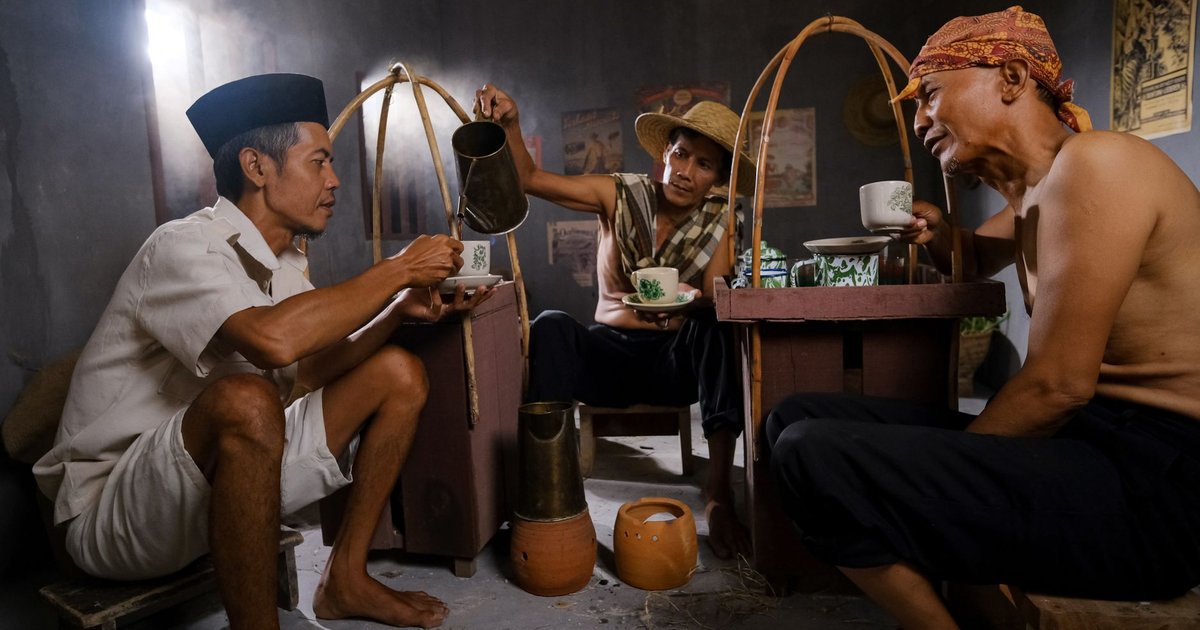
Indonesia produces some of the world’s most distinctive coffees.
Gayo (Aceh)
Grown in the highlands of Aceh, Gayo coffee is often described as full-bodied with a clean finish.
Toraja (Sulawesi)
Known for a rich, earthy character with spicy notes.
Java
Coffee has been grown on Java since the colonial period and the island’s estates remain well known.
Kintamani (Bali)
Grown at altitude, often with bright, citrusy notes.
Buying tips
Buy from roasters with roast dates. Whole beans keep flavor longer than ground.
A short history of coffee in Indonesia
Coffee was introduced to Java by the Dutch in the late seventeenth century, and the island soon became a major source of coffee for Europe. The word “Java” even became slang for coffee in some countries. Over time, cultivation spread to Sumatra, Sulawesi, Bali, Flores and Papua. Today, Indonesia grows both arabica and robusta, with robusta making up a large share of production.
More regions to know
- Mandheling (North Sumatra): a well-known name for coffees from the region, often described as heavy-bodied.
- Flores Bajawa: from the highlands of Flores, often with chocolatey notes.
- Papua Wamena: grown in the highlands of Papua.
- West Java (Java Preanger): highland coffees from areas around Bandung, including some near Bogor and Garut.
Processing methods
The flavor of coffee depends not only on origin but also on processing. Giling basah (wet-hulled) is common in Sumatra and gives a heavier body and earthy flavor. Washed coffees tend to taste cleaner and brighter. Natural process coffees are dried in their cherries, often giving fruity notes. Honey process falls in between.
Traditional coffee drinks
- Kopi tubruk: ground coffee boiled with sugar, with grounds settling at the bottom.
- Kopi susu: coffee with sweetened condensed milk.
- Kopi joss: a Yogyakarta specialty with hot charcoal dropped into the coffee.
- Kopi Aceh: coffee strained through a cloth filter.
Coffee tourism
Visitors can tour coffee farms in places such as Bali’s Kintamani, Toraja and the highlands of Java. Some tours include harvesting, roasting and tasting. Check that operators treat workers and animals fairly.
Buying coffee as a souvenir
Choose freshly roasted beans and store them in airtight containers away from light. If you do not have a grinder, ask the roaster to grind it for your brewing method.
Cafe culture
Indonesia’s specialty coffee scene has grown rapidly, with cafes in nearly every city offering manual brews and espresso drinks using local beans.
How to taste coffee like a pro
To appreciate the differences between regions, try a simple tasting session. Brew several coffees using the same method, such as a pour-over, and taste them side by side. Notice the aroma first, then the acidity, which can feel bright or mellow, then the body, from light to heavy, and finally the aftertaste. Write down your impressions. Many cafes in Indonesia offer tasting flights or cupping sessions where baristas explain the beans. Ask about the farm, altitude and processing method. Over time, you will start to recognize your preferences, such as fruity coffees from some highland farms or heavier, earthy cups from Sumatra. Coffee tasting is a fun way to explore Indonesia’s diversity through a single cup.
FAQ
What is kopi luwak? A controversial coffee linked to animal welfare concerns; many travelers avoid it.
Best way to try? Visit local cafes and ask for single-origin pour-overs.
Is arabica better than robusta? They are different; arabica tends to be more aromatic, while robusta is stronger and more bitter.
Which Indonesian coffee should beginners try first? A washed arabica from Java or Bali is often a gentle introduction, with clean flavors and moderate acidity.
How should I store beans? In an airtight container in a cool, dark place; avoid the fridge, which can introduce moisture and odors.
Sources and further checking: always confirm current prices, opening hours and entry rules on the official website, e.g. www.indonesia.travel. Details can change.
Featured photo by Noval Gani on Pexels.