

Indonesia has a tropical climate with two main seasons: dry and wet. Timing differs by region.
General pattern
In much of Java and Bali, the dry season runs roughly from around May to September, and the wet season from around November to March. Some areas, like parts of Maluku, follow different patterns.
Pros and cons
- Dry season: clearer skies, popular for hiking and beaches, but higher prices.
- Wet season: greener landscapes and fewer crowds, but showers and some road or ferry disruptions.
Check forecasts
Use BMKG for official weather updates and warnings.
Tips
Book flexible tickets in rainy months. Start hikes early.
Regional differences
Indonesia stretches across the equator, so weather patterns vary. In Java, Bali and Nusa Tenggara, the contrast between dry and wet seasons is clearer. Sumatra and Kalimantan can have rain year-round, with some peaks. In parts of Maluku and Papua, the timing of seasons may differ from western Indonesia. Always check regional forecasts before you travel.
What the wet season is really like
Rain in the wet season often comes as heavy afternoon or evening downpours rather than all-day rain. Mornings can be sunny, which allows sightseeing. However, prolonged rain can cause flooding in cities such as Jakarta and landslides in hilly areas. Sea conditions may affect ferries and boat trips. Plan buffer days if you are traveling by sea.
Advantages of each season
Dry season
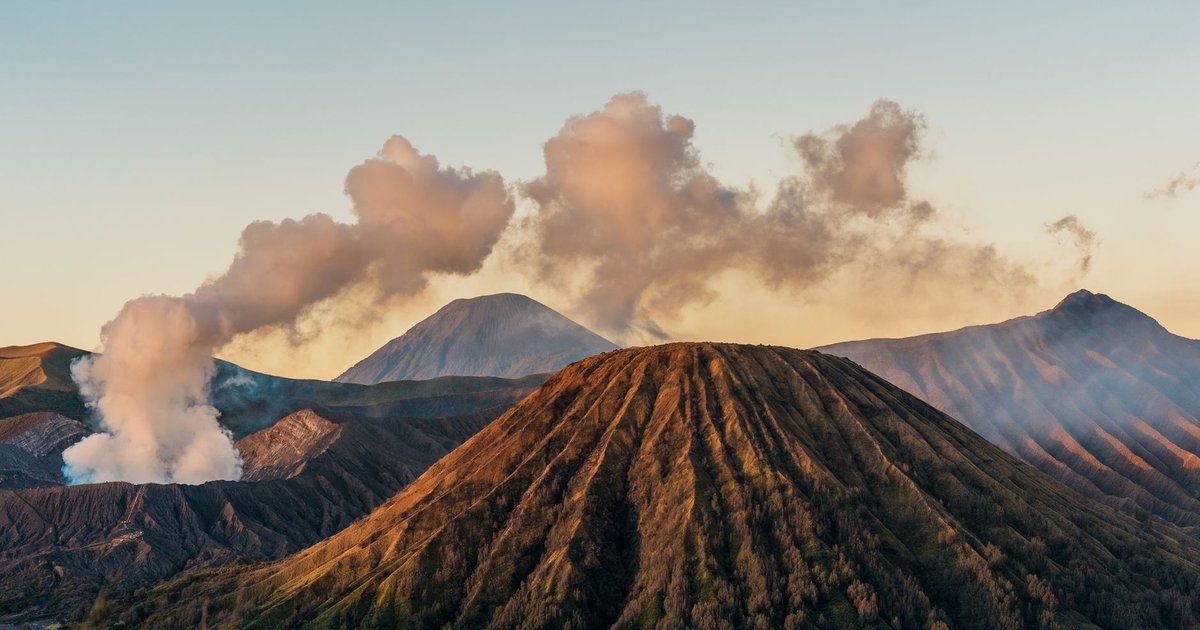
- Better for trekking volcanoes like Bromo, Ijen and Rinjani.
- Calmer seas for diving and boat trips in many areas.
- Clearer views at sunrise viewpoints.
Wet season
- Lush green rice fields and waterfalls.
- Fewer tourists in some destinations.
- Lower hotel prices outside holidays.
Holiday periods to watch
Seasons are not the only factor affecting your trip. Indonesian holidays such as Lebaran, Christmas, New Year and school holidays bring crowds and higher prices. In Bali, Nyepi closes the island for a day. Check the calendar before you plan.
Climate change and variability
Weather patterns can vary from year to year, influenced by phenomena such as El Niño and La Niña. El Niño can bring drier conditions, while La Niña can increase rainfall. BMKG publishes seasonal forecasts and warnings.
Tips for traveling in any season
- Pack a light rain jacket and quick-dry clothes.
- Start outdoor activities early.
- Have backup indoor activities.
- Follow official warnings and listen to local advice.
- Get travel insurance that covers weather disruptions.
Bogor and the highlands
Bogor receives rainfall throughout the year, with frequent afternoon showers. Highland areas such as Puncak are cooler and often foggy. Plan visits to gardens in the morning.
Month-by-month quick guide for Java and Bali
- January–February: peak wet season; lush landscapes, frequent heavy rain.
- March–April: rain begins to ease in many areas; check the Nyepi date for Bali.
- May–June: transition to the dry season; often pleasant weather.
- July–August: dry and popular, with school holidays and international visitors.
- September–October: often still dry, with fewer crowds after the holiday peak.
- November–December: rains return; year-end holidays bring crowds.
This guide is approximate and varies from year to year. Always check BMKG forecasts and local conditions before your trip.
Key takeaways
- Java and Bali are usually drier from around May to September and wetter from around November to March.
- Each season has advantages; plan around holidays as well as weather.
- Check BMKG forecasts and warnings before you travel.
FAQ
When is best for Bromo? Dry months often offer clearer sunrises.
Is Bogor always rainy? It has high rainfall year-round, with afternoon showers common.
Is it safe to travel in the rainy season? Yes, with planning and attention to weather warnings.
When is the best time for diving? It depends on the region; many areas have calmer seas in the dry months, but check with local dive operators.
Does it rain every day in the wet season? Not always; many days have sunny mornings followed by afternoon showers.
Sources and further checking: always confirm current prices, opening hours and entry rules on the official website, e.g. www.bmkg.go.id. Details can change.
Featured photo by Daneswara Eka on Pexels.