
Japan is a top bucket-list destination, but entry rules for Indonesian passport holders can change. Always verify on official sources.
Visa
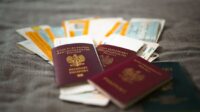
Indonesian citizens generally need a visa to visit Japan. Check the Embassy of Japan in Indonesia and the Ministry of Foreign Affairs of Japan for current requirements, which may include documents on finances and itinerary.
Plan early
Applications take time, so start well before your intended travel date.
On the ground
Public transport is excellent. Consider an IC card for trains and buses.
Tips
- Carry cash; some small places do not accept cards.
- Observe etiquette: quiet on trains, no eating while walking in many places.
- Check halal food options if needed.
Understanding visa options
Japan has offered various visa arrangements for Indonesian citizens over the years, including single-entry tourist visas and visa waiver registration for holders of electronic passports under certain conditions. These rules change, so always confirm on the official website of the Embassy of Japan in Indonesia or the consulates before applying. Requirements may include a passport, application form, photo, itinerary, proof of funds and accommodation details.
Budgeting for Japan
Japan can be expensive, but careful planning helps. Business hotels and hostels provide affordable accommodation. Convenience stores sell good-quality, inexpensive meals. Rail passes can save money if you travel between many cities, though you should calculate whether they are worth it for your route.
Suggested first-trip route
- Tokyo (3–4 days): Shibuya, Shinjuku, Asakusa, Harajuku and day trips to Kamakura or Nikko.
- Mount Fuji area (1–2 days): the Fuji Five Lakes region for views of the mountain.
- Kyoto (3 days): temples, shrines and traditional streets.
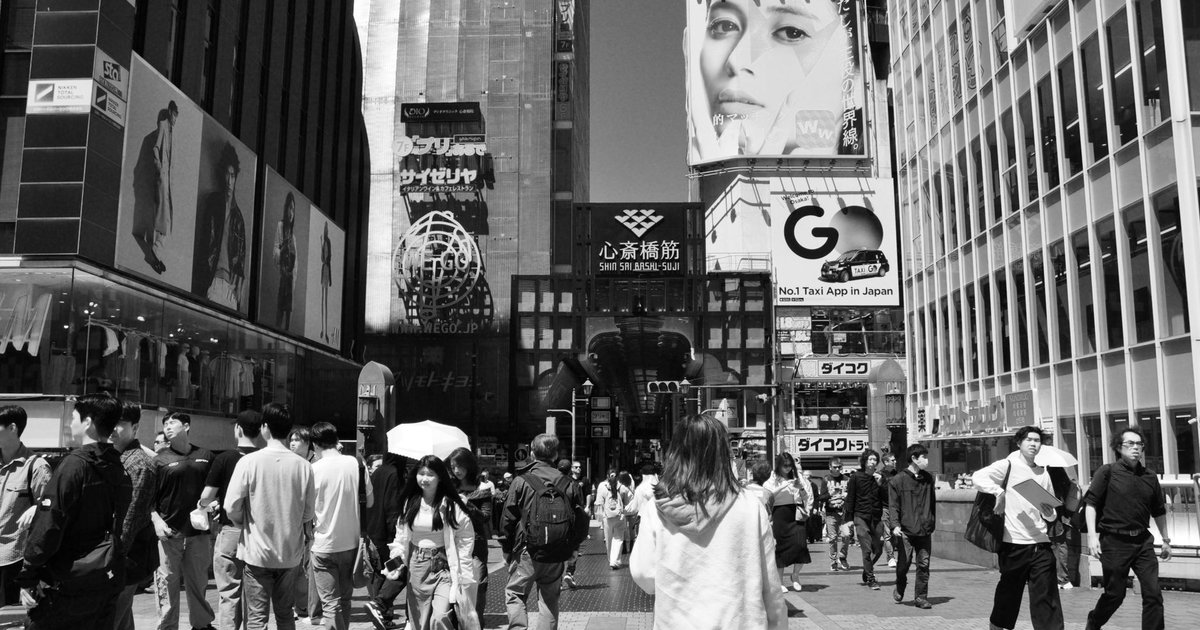
- Osaka (1–2 days): food culture, castle and nightlife; easy day trip to Nara.
Seasons
- Spring: cherry blossoms, usually late March to early April in many cities.
- Summer: hot and humid, with festivals.
- Autumn: colorful leaves and pleasant temperatures.
- Winter: cold, with snow in the north and mountains.
Food and Muslim-friendly travel
Japanese food ranges from sushi and ramen to tempura and okonomiyaki. Muslim travelers can find halal restaurants and prayer rooms in major cities and airports, and some apps list Muslim-friendly options. Vegetarian options are increasing but still limited in some places.
Etiquette
- Do not tip; it can cause confusion.
- Queue in lines and keep quiet on public transport.
- Remove shoes when entering homes, some restaurants and temples.
- Carry your rubbish until you find a bin, as bins are rare in public.
Connectivity
Rent a pocket Wi-Fi router or buy an eSIM. Navigation apps make it easier to understand train routes.
Sample budget breakdown
Costs vary by season and travel style, but it helps to think in categories. Flights: usually the largest single expense; book early and watch for promotions. Accommodation: business hotels and hostels are cheaper than international chains, and prices rise sharply during cherry blossom season. Transport: city subway and train fares add up, so consider day passes in Tokyo and Osaka. Food: convenience stores, ramen shops and set-meal restaurants keep costs reasonable. Attractions: many shrines and parks are free, while museums and observation decks charge fees. Keep a buffer for unexpected expenses. Tracking spending with an app helps you stay on budget and adjust your plans if needed during the trip.
FAQ
Best time? Spring and autumn are popular.
Can I use Indonesian drivers’ licenses? Check with official sources.
Do I need cash? More places accept cards than before, but cash is still useful.
Is a rail pass worth it? Only if you plan several long-distance trips; for a single Tokyo–Kyoto–Osaka loop, individual tickets can be cheaper, so compare first.
Can I find prayer rooms? Yes, major airports, some stations and malls have prayer rooms; apps can help you locate them.
Sources and further checking: always confirm current prices, opening hours and entry rules on the official website, e.g. www.mofa.go.jp. Details can change.
Featured photo by HOWARD HERDI on Pexels.