
Kuala Lumpur (KL) is popular with Indonesian travelers for its food, shopping and short flight times.
Day one
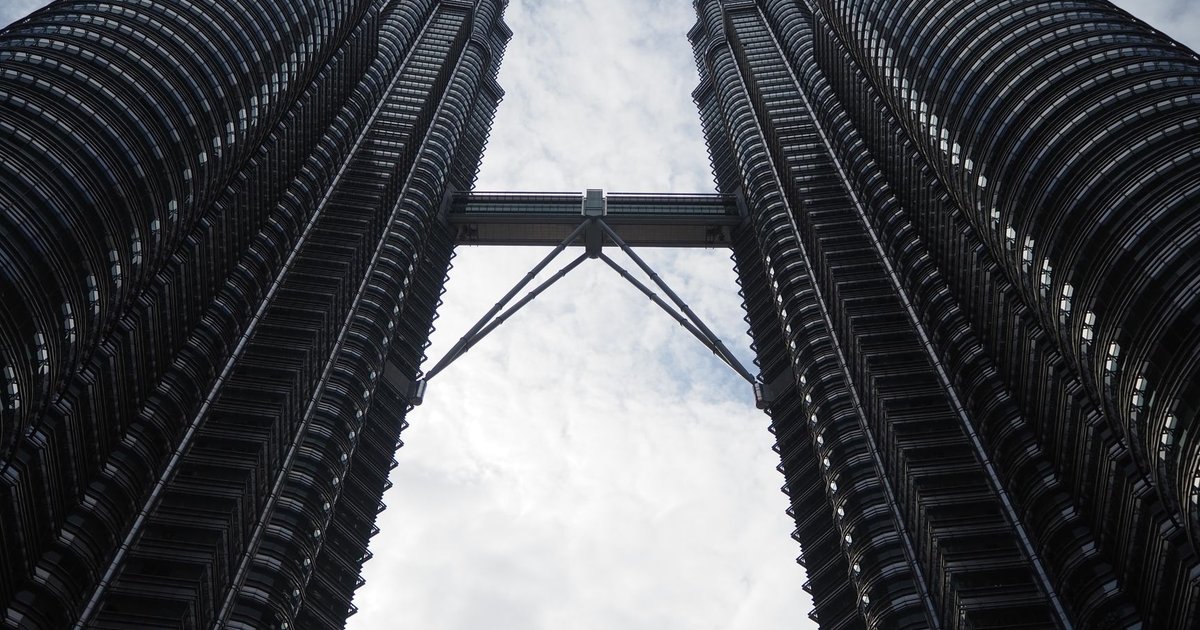
See the Petronas Twin Towers and KLCC Park. Visit nearby shopping malls and enjoy local dishes.
Day two
Explore Merdeka Square, Masjid Jamek and Chinatown. Try street food at Jalan Alor in the evening.
Day three
Take a trip to the Batu Caves, a Hindu shrine with a famous staircase, then relax before your flight.
Getting around
Use the LRT, MRT and ride-hailing apps.
Tips
- Dress modestly at religious sites.
- Check entry requirements for Indonesian citizens before travel.
- Carry a light rain jacket.
Getting there
Kuala Lumpur International Airport (KLIA) and KLIA2 are served by many flights from Indonesian cities. From the airport, the KLIA Ekspres train is a quick way to reach KL Sentral, the city’s main transport hub. Buses and ride-hailing are cheaper alternatives. Check Malaysia’s current entry requirements, including any digital arrival card, before travel.
More detail on the itinerary
Day one: modern KL
Start at KLCC Park and the Petronas Twin Towers, which have a skybridge and observation deck open to visitors with tickets. The nearby Aquaria KLCC is good for families. In the evening, walk to Bukit Bintang for shopping and street food.
Day two: heritage and culture
Visit Merdeka Square, surrounded by colonial-era buildings including the Sultan Abdul Samad Building. Walk to Masjid Jamek, one of the oldest mosques in the city, then explore Chinatown’s Petaling Street and the Central Market for crafts.
Day three: Batu Caves and more
Take the train to Batu Caves, famous for its colorful staircase and giant golden statue. Return to the city for the National Mosque, the Islamic Arts Museum or the KL Bird Park in the Perdana Botanical Gardens.
Food to try
- Nasi lemak, Malaysia’s beloved coconut rice.
- Roti canai with curry.
- Char kway teow and Hokkien mee.
- Satay and grilled seafood at night markets.
Halal food is widely available, making KL comfortable for Muslim travelers.
Where to stay
Bukit Bintang is popular for shopping and nightlife. KLCC offers upscale hotels near the towers. KL Sentral is convenient for transport. Chinatown has budget-friendly options.
Practical tips
- Malaysia uses the ringgit. Cards are accepted widely, but carry some cash for markets.
- Use Touch ‘n Go cards for public transport.
- Expect afternoon thunderstorms.
- Dress modestly at mosques; robes are sometimes provided.
Day trips
With more time, consider Putrajaya, Malacca’s historic center, or the cool Genting or Cameron Highlands.
Budget and money-saving tips
Kuala Lumpur is relatively affordable compared to other regional capitals. Eat at hawker stalls, food courts and mamak restaurants, which serve tasty meals at low prices. Use public transport and walk between nearby attractions. Many attractions, such as parks, mosques and markets, are free to visit. Consider staying in areas such as Chinatown or near KL Sentral for better hotel prices. Shopping malls often hold sales, especially during major holidays. If you plan to visit several paid attractions, check for combined tickets or online discounts. Exchange money at licensed money changers, which often offer better rates than airports. With some planning, a three-day trip to KL can be both enjoyable and economical, leaving room in your budget for a few special meals or experiences.
FAQ
Is KL expensive? Generally cheaper than Singapore.
Can I get by in Indonesian? Malay is similar and many people understand basic Indonesian.
Is KL good for families? Yes, with parks, aquariums and kid-friendly malls.
Is KL safe at night? Main areas such as Bukit Bintang and KLCC are busy and generally safe; keep an eye on your belongings in crowds.
How do I reach Batu Caves? By KTM Komuter train from KL Sentral or by ride-hailing; go early to avoid heat and crowds.
Sources and further checking: always confirm current prices, opening hours and entry rules on the official website, e.g. www.indonesia.travel. Details can change.
Featured photo by Santiago Permana on Pexels.